 Save
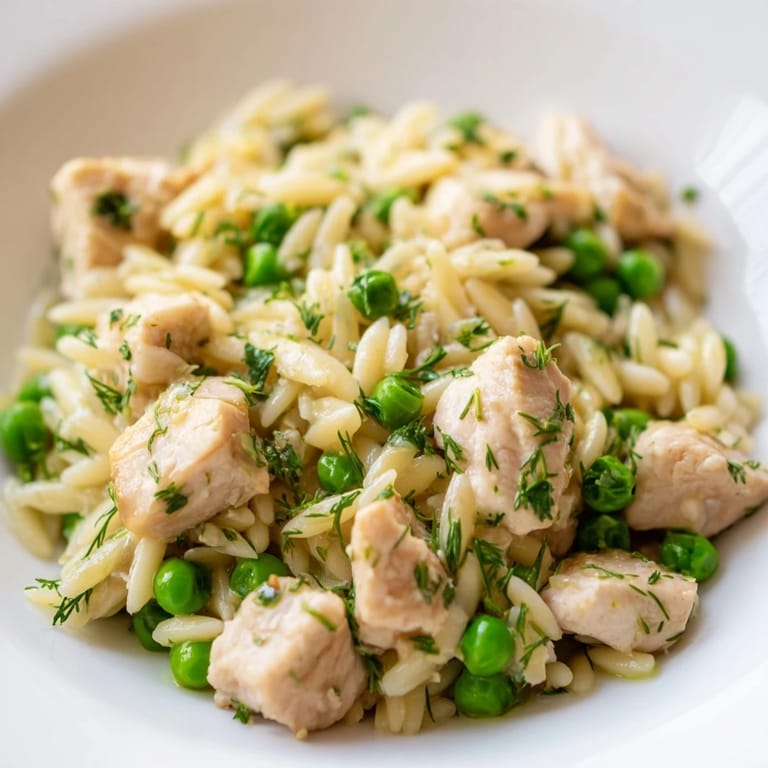
Save One weeknight last March, I tossed chicken and orzo into a skillet with whatever I had left in the fridge, not expecting much. The lemon I squeezed over it at the end turned everything bright and alive, and my partner looked up from his plate like I'd just solved dinner forever. That's when I realized one-pan meals don't have to feel like leftovers or shortcuts. Sometimes they're just smart, and sometimes they taste like spring arrived early.
I made this for my friend who claimed she didn't like chicken thighs, and she went silent halfway through her bowl. She finally admitted it wasn't the meat she disliked—it was how dry chicken breasts always turned out for her. The thighs stayed tender even after simmering with the orzo, and the way the pasta soaked up all that lemony broth made every bite satisfying. She texted me two days later asking for the recipe, which is how I knew it was a keeper.
Ingredients
- Boneless, skinless chicken thighs: They stay juicy and forgiving even if you overcook them slightly, and their flavor stands up to the lemon without disappearing.
- Orzo pasta: This rice-shaped pasta absorbs broth like a dream and gets creamy without any cream, which is half the magic here.
- Frozen green peas: They add a pop of sweetness and color, and you don't have to thaw them first, just toss them in.
- Yellow onion: The base of flavor that softens and sweetens as it cooks, building depth without shouting.
- Garlic: Two cloves are enough to make the kitchen smell like you've been cooking all day.
- Lemon zest and juice: The zest goes in early for a subtle brightness, the juice at the end for a punch that wakes everything up.
- Low-sodium chicken broth: It simmers into the orzo and becomes a light sauce, so good broth makes a difference.
- Fresh parsley and dill: Dill is the secret here, it tastes like springtime and pairs with lemon like they were made for each other.
- Dried oregano: A little Mediterranean backbone that ties the herbs and lemon together.
- Olive oil: For browning the chicken and building a flavorful base in the pan.
- Salt and black pepper: Season as you go, and taste before serving, the lemon can change how much salt you need.
Tired of Takeout? 🥡
Get 10 meals you can make faster than delivery arrives. Seriously.
One email. No spam. Unsubscribe anytime.
Instructions
- Sear the chicken:
- Heat olive oil in your skillet until it shimmers, then add the chicken pieces in a single layer. Let them sit undisturbed for a couple minutes so they get golden, then flip and cook until just lightly browned, they'll finish cooking later.
- Build the aromatics:
- Toss in the chopped onion and let it soften and turn translucent, scraping up any brown bits from the chicken. Add the garlic and stir for just a minute until it smells toasty and sweet.
- Toast the orzo:
- Stir the orzo into the onion and garlic, letting it toast for a minute or two. This step helps it absorb flavor and keeps it from getting mushy.
- Add broth and simmer:
- Pour in the chicken broth, add the oregano, lemon zest, and half your fresh herbs. Bring it to a gentle simmer, then nestle the chicken back in with any juices from the plate.
- Cover and cook:
- Put a lid on the skillet and let everything simmer together for about 10 minutes, stirring once or twice. The orzo will start to plump up and the chicken will finish cooking through.
- Finish with peas and lemon:
- Stir in the frozen peas and squeeze in the lemon juice, then cook uncovered for another 5 to 8 minutes, stirring often. The orzo should be tender and the liquid mostly absorbed, leaving a light saucy coating.
- Garnish and serve:
- Turn off the heat, taste and adjust the salt if needed, then scatter the rest of your parsley and dill over the top. Serve it straight from the skillet while it's still steaming.
 Save
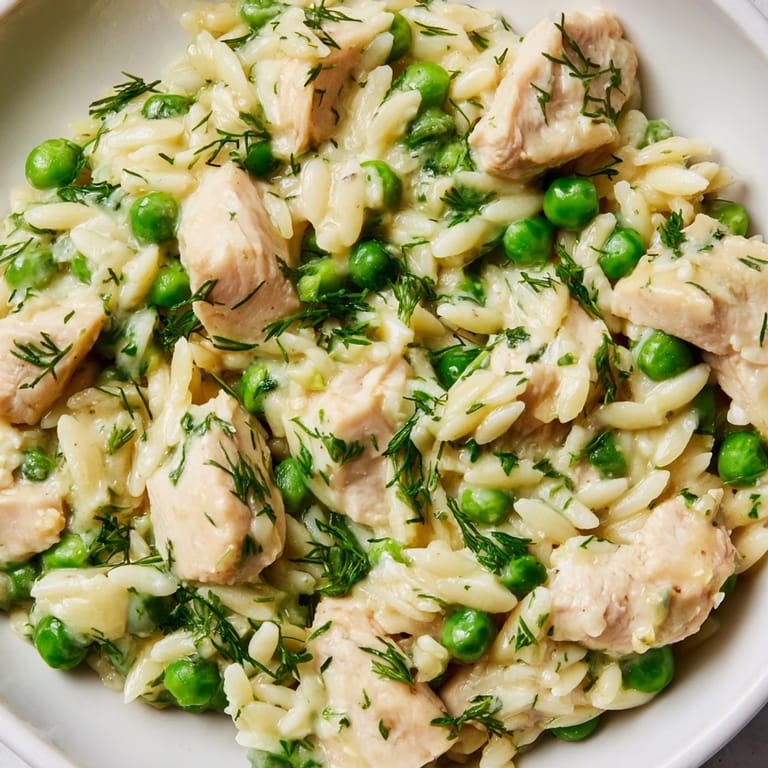
Save The first time I brought this to a potluck, someone asked if I'd used cream because the orzo looked so rich and glossy. I told them it was just broth and a little olive oil, and they didn't believe me until I walked them through it. That's the thing about this dish, it looks and tastes like you put in way more effort than you did, and nobody needs to know it came together in one pan in under an hour.
Choosing Your Chicken
Chicken thighs are my go-to here because they're almost impossible to dry out and they add a little richness that breasts don't. If you prefer white meat, just cut the breasts into smaller pieces and watch the timing closely so they don't turn rubbery. Either way, browning the chicken first locks in flavor and gives the pan those caramelized bits that make the whole dish taste deeper. Don't worry about cooking the chicken all the way through at the start, it finishes gently in the broth and stays tender.
Making It Your Own
This recipe is flexible enough to handle whatever you have on hand or whatever sounds good. Swap the peas for chopped asparagus, baby spinach, or even cherry tomatoes if you want more vegetables. If you don't have fresh dill, dried works fine, just use about a teaspoon and add it with the oregano. You could also stir in a handful of feta or parmesan at the end for a creamier, saltier finish, though it's plenty satisfying without it.
Storing and Reheating
Leftovers keep well in the fridge for up to three days, and they actually taste even better the next day once the flavors have had time to settle. The orzo will soak up more liquid as it sits, so when you reheat it, add a splash of broth or water and warm it gently on the stove or in the microwave. It won't be quite as saucy as when it was fresh, but it's still delicious and makes for an easy lunch.
- Store in an airtight container and refrigerate within two hours of cooking.
- Reheat individual portions in the microwave with a damp paper towel over the top to keep it from drying out.
- You can freeze it for up to a month, though the orzo texture might soften a bit after thawing.
 Save
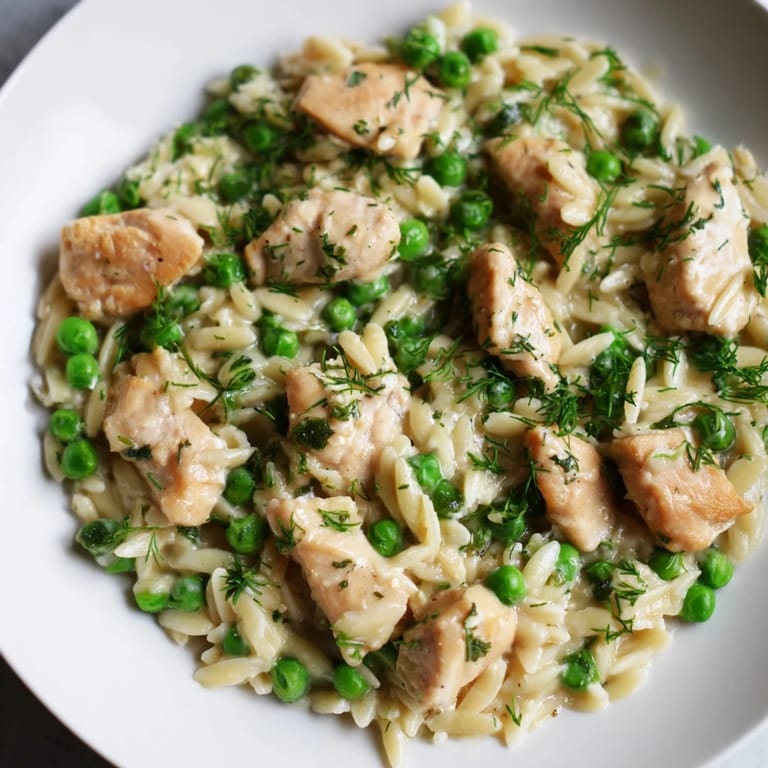
Save This is the kind of dinner that feels like a warm hug after a long day, bright enough to lift your mood but cozy enough to make you want to curl up on the couch afterward. I hope it becomes one of those recipes you turn to without thinking, the one that reminds you that good food doesn't have to be complicated.
Recipe FAQ
- → Can I use chicken breasts instead of thighs?
Yes, boneless, skinless chicken breasts work well as a substitute. They'll cook at a similar pace, though thighs tend to be more forgiving and stay juicier during the simmering process.
- → What if I don't have fresh dill?
Dried dill is a direct substitute—use 1 teaspoon in place of 1 tablespoon fresh. You can also experiment with fresh tarragon or chives for a different herbal note while maintaining the Mediterranean profile.
- → How do I know when the orzo is done cooking?
The orzo should be al dente—tender but still slightly firm to the bite. Most of the liquid should be absorbed by the end of cooking. Taste a few pieces to check for your preferred texture, as cooking times may vary slightly based on skillet size and heat.
- → Can I add vegetables to this dish?
Absolutely. Baby spinach, asparagus, sun-dried tomatoes, or roasted red peppers are excellent additions. Stir spinach in during the final minute, or add firmer vegetables earlier so they soften with the orzo.
- → What wine pairs best with this meal?
A crisp Sauvignon Blanc or Pinot Grigio complements the bright lemon flavors beautifully. These wines' acidity balances the richness of the chicken and olive oil while enhancing the fresh herb profile.
- → Is this dish freezer-friendly?
Yes, it freezes well for up to three months. Store in an airtight container. Reheat gently on the stovetop with a splash of broth to restore moisture, as the orzo may have absorbed most of the liquid during storage.