 Save
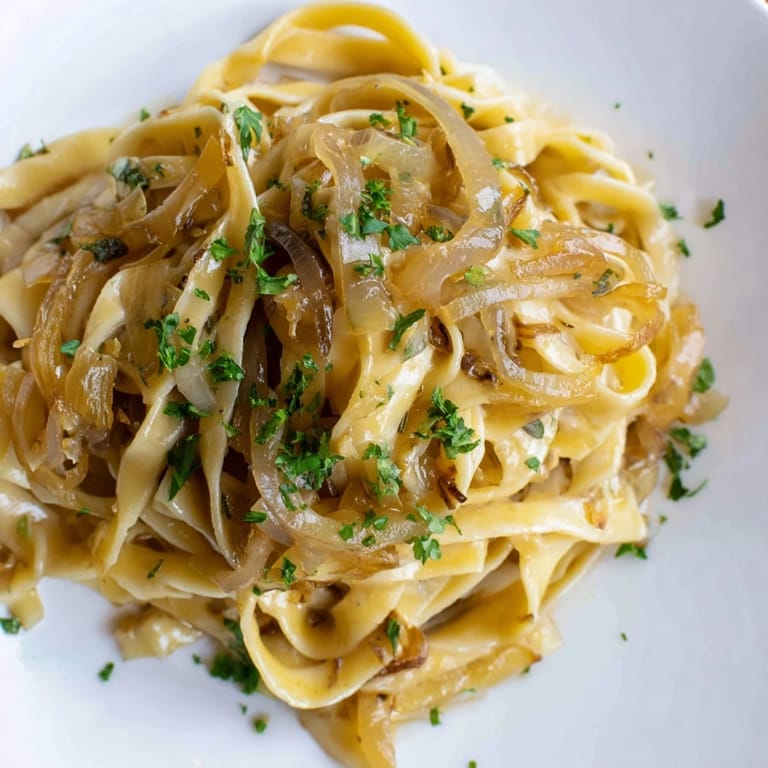
Save There's something almost alchemical about watching pale onion slices transform into caramelized ribbons of gold and sweetness. I stumbled onto this dish on a gray November evening when I had a pasta craving but also desperately wanted the soul-warming feeling of French onion soup. Instead of choosing between them, I threw caution aside and combined both into one pot. The kitchen filled with that unmistakable smell of onions at their deepest point of caramelization, and I knew I'd discovered something I'd be making again and again.
My partner was skeptical when I first served this to friends over a candlelit dinner, mostly because she'd never heard of onion pasta before. But watching everyone scrape their bowls clean and ask for the recipe told me everything I needed to know. Since then, it's become my go-to dish when I want to impress without spending all day in the kitchen.
Ingredients
- Large yellow onions: Three of them, sliced thin, are the backbone of this dish. Don't skip the caramelization step or rush it—those 20-25 minutes are where the magic happens.
- Dry white wine: A quarter cup does the heavy lifting in the deglaze, pulling up all those flavorful browned bits stuck to the bottom of the pan.
- Vegetable or beef broth: Four cups of liquid is your foundation; beef broth leans into richness, while vegetable keeps things lighter.
- Fettuccine or linguine: Twelve ounces of pasta, added raw right into the broth, absorbs all the flavors as it cooks in the liquid.
- Butter and olive oil: Use both together—the butter adds richness and the olive oil prevents the butter from burning during that long onion caramelization.
- Gruyère and Parmesan cheeses: This isn't the place to cut corners on cheese quality; you want the real thing for that creamy, luxurious finish.
- Garlic, thyme, bay leaf: Just enough to whisper herbaceous notes without drowning out the onions and cheese.
Tired of Takeout? 🥡
Get 10 meals you can make faster than delivery arrives. Seriously.
One email. No spam. Unsubscribe anytime.
Instructions
- Melt and begin:
- Warm two tablespoons of butter with two tablespoons of olive oil in your large skillet over medium heat. The combination prevents the butter from scorching while you coax those onions toward their golden destiny.
- Caramelize with patience:
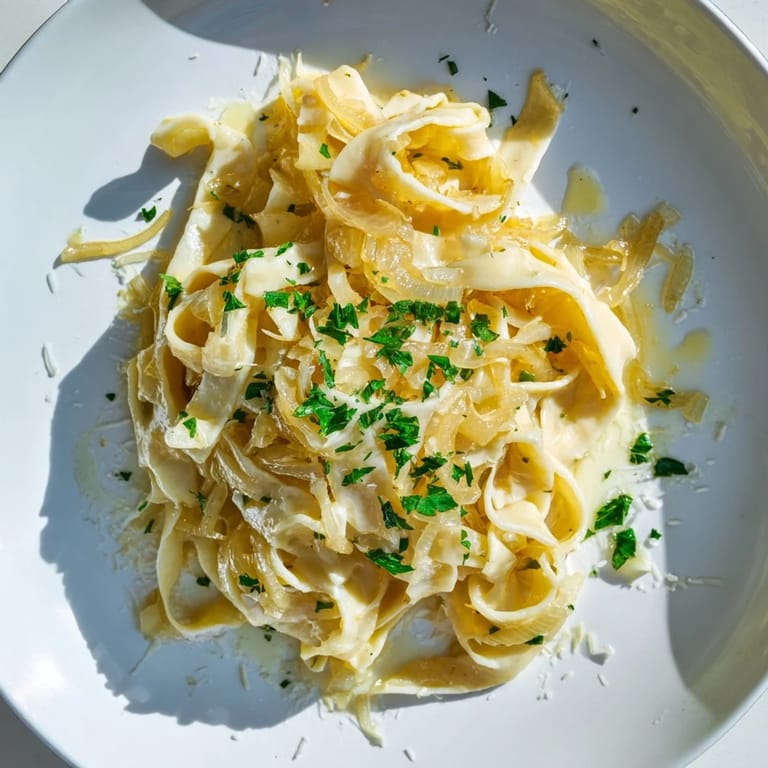
- Add your three sliced onions along with a teaspoon of sugar, stirring occasionally for 20 to 25 minutes. You're looking for deep golden brown, almost amber in color, with the edges starting to crisp. This isn't a race—listen for the occasional sizzle, watch for the color shift, and trust the process.
- Add aromatics:
- Stir in two minced cloves of garlic and cook for just one minute until the kitchen smells impossibly good and fragrant.
- Deglaze with wine:
- Pour in a quarter cup of dry white wine and use a wooden spoon to scrape up every caramelized bit clinging to the bottom. Let it bubble away for about two minutes until the liquid mostly evaporates.
- Build the broth base:
- Add one teaspoon of dried thyme, one bay leaf, and your four cups of broth. Bring everything to a gentle boil, then let the anticipation build.
- Cook the pasta in the pot:
- Add your twelve ounces of uncooked pasta straight into the simmering liquid. Stir well, drop the heat to medium-low, and let it simmer uncovered for 10 to 12 minutes, stirring frequently so nothing sticks.
- Finish with cheese:
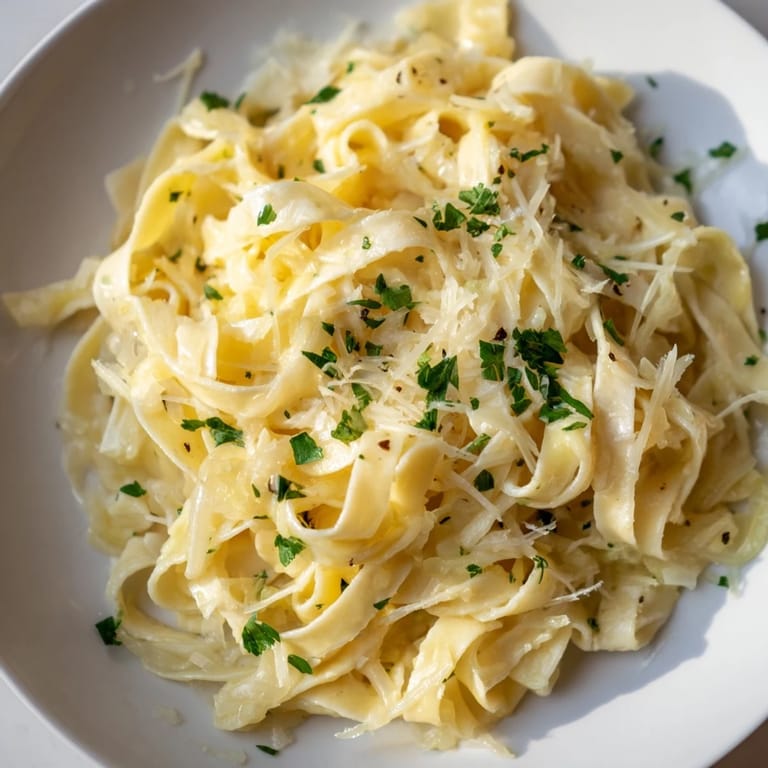
- When the pasta is tender and most of the liquid has been absorbed, fish out the bay leaf and stir in your one cup of Gruyère and half cup of Parmesan until everything is melted and creamy. Taste, adjust salt and pepper, and serve.
 Save
Save I'll never forget the moment my mother took a bite and got quiet for just a second before saying it was like eating French onion soup with every spoonful tasting different. That's when I realized this dish sits in this beautiful space where it's both humble and elegant at the same time.
The Magic of Caramelization
Caramelizing onions is meditation in the kitchen. The transformation happens gradually, then all at once—one minute they're barely golden and the next they've turned deep amber. It's worth setting a timer and stirring occasionally, because this is where the onions release their natural sugars and develop those complex, savory notes that make the whole dish sing. Don't be tempted to crank the heat high to speed things up; high heat creates browning, not caramelization, and there's a real difference in the finished taste.
Why This Works as One Pot
The genius of this dish lies in its simplicity and efficiency. Instead of cooking pasta separately in salted water and onions in a pan and building a sauce elsewhere, everything happens in one vessel. The pasta absorbs the savory broth and onion essence as it cooks, becoming infused with flavor rather than just sitting in it. There's less cleanup, less stress, and somehow more flavor—the pasta soaks up all those caramelized onion drippings and broth in a way that feels almost intentional.
Variations and Personal Touches
This recipe is your foundation, but your kitchen is where it becomes personal. I've added sautéed mushrooms for earthiness, stirred in crispy breadcrumbs for texture, and even substituted the white wine with a splash of brandy when I wanted something deeper. Some evenings I use all beef broth for richness, other times I stick with vegetable and let the onions and cheese be the stars. The dish is forgiving and adaptable, which is exactly why it's become something I return to constantly.
- Try stirring in sautéed mushrooms or a handful of fresh thyme right at the end for added depth.
- If you prefer more liquid, add an extra half cup of broth and cook the pasta a minute or two longer.
- Finish with a drizzle of truffle oil or a scatter of crispy pancetta if you're feeling fancy.
 Save
Save This one-pot French onion pasta has become my answer to nights when I want something comforting without the fuss, elegant without the effort. It's the kind of dish that feels like a hug in a bowl.
Recipe FAQ
- → How do I get onions perfectly caramelized?
Cook sliced onions slowly over medium heat with butter and sugar, stirring occasionally until they turn a deep golden brown, typically 20–25 minutes.
- → Can I substitute cheeses in this dish?
Yes, Swiss cheese can replace Gruyère for a similar creamy texture and nutty flavor if needed.
- → What’s the best broth choice for this pasta?
Vegetable broth keeps it vegetarian, while beef broth adds richer, deeper flavor for meat-eaters.
- → How do I cook the pasta evenly in one pot?
Add uncooked pasta directly to the simmering broth and stir frequently to prevent sticking, cooking until al dente and most liquid absorbs.
- → What wine pairs well with this dish?
A crisp white wine like Sauvignon Blanc complements the savory, cheesy flavors and caramelized onions nicely.
- → Can I make this gluten-free?
Use certified gluten-free pasta varieties to keep it gluten-free while maintaining texture and flavor.